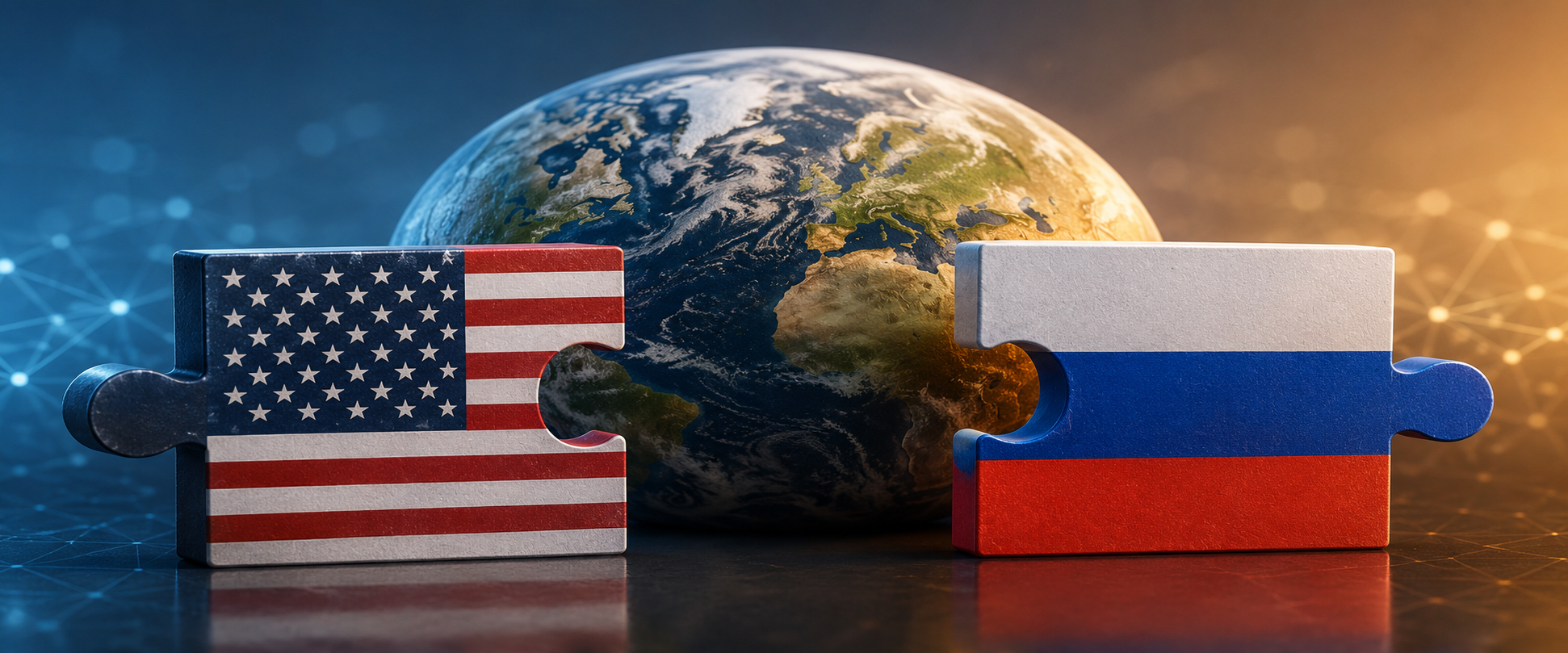
Absolutely! The “State of the World 2025” is a fascinating topic, and as its 2025, we’re in a unique position to discuss it.
To give you the most comprehensive overview, I’ll draw on insights from various sources, including reports from organizations like the Oliver Wyman Forum and Chatham House, as well as analyses of current trends and events.
Here are some key themes and potential discussion points for the State of the World in 2025:
Geopolitical Landscape:
- Multipolar World Order: The shift from a US-dominated world to a more multipolar one continues, with rising powers like China and India playing increasingly influential roles. This could lead to both opportunities for collaboration and increased competition and tension.
- Geopolitical Risks: Conflicts, such as the war in Ukraine, and political instability in various regions pose significant risks to global security and economic stability.
- International Cooperation: The need for international cooperation on issues like climate change, pandemics, and technological governance becomes even more critical, but achieving consensus may be challenging amidst geopolitical divisions.
Economic Trends:
- Global Economic Growth: The pace of global economic growth may be moderate, with potential headwinds from geopolitical uncertainties, inflation, and debt levels.
- Technological Disruption: Rapid advancements in artificial intelligence (AI), automation, and other technologies continue to transform industries and labor markets, creating both opportunities and challenges.
- Supply Chain Resilience: Businesses are focused on building more resilient and diversified supply chains to mitigate risks from geopolitical disruptions and environmental factors.
Social and Environmental Issues:
- Climate Change: The impacts of climate change become more pronounced, with increasing extreme weather events and the need for urgent action to reduce emissions and adapt to the changing climate.
- Demographic Shifts: Aging populations in many countries and declining birth rates pose challenges for economic growth and social welfare systems.
- Social Inequalities: Addressing social inequalities and ensuring inclusive growth remains a critical challenge, with concerns about income disparity and access to opportunities.
Technological Advancements:
- Artificial Intelligence: AI continues to advance rapidly, with potential applications in various fields, but also raising ethical and societal concerns about job displacement, bias, and misuse.
- Digital Transformation: The digital transformation of economies and societies accelerates, with increased reliance on digital technologies for communication, commerce, and governance.
Challenges and Opportunities:
- Navigating Uncertainty: Leaders in business and government need to navigate a complex and uncertain world, making decisions in the face of evolving geopolitical, economic, and technological landscapes.
- Building Resilience: Building resilience to shocks and disruptions, whether from geopolitical events, climate change, or technological disruptions, is crucial for both individuals and organizations.
- Embracing Innovation: Embracing innovation and adopting new technologies can create opportunities for growth, productivity, and addressing societal challenges.
Let’s delve deeper into any of these areas that particularly interest you, or we can explore other facets of the State of the World in 2025.
For example, we could discuss:
- The future of work in the age of AI.
- The role of technology in addressing climate change.
- The challenges of global governance in a multipolar world.
- The impact of demographic shifts on societies and economies.
I’m eager to hear your thoughts and engage in a productive discussion about the State of the World in 2025.
How is China reaching out, for instance Latin America?
China has been actively increasing its presence and influence in Latin America through a variety of economic, diplomatic, and strategic initiatives. Here’s a breakdown of how they’re reaching out:
Economic Engagement:
- Trade: China has become a major trading partner for many Latin American countries, particularly in commodities like raw materials and agricultural products. This has led to significant growth in trade volume between China and the region.
- Investment: Chinese companies have invested heavily in various sectors in Latin America, including infrastructure, energy, mining, and telecommunications. This investment often comes in the form of loans and financing for large-scale projects.
- Belt and Road Initiative (BRI): Several Latin American countries have joined China’s BRI, a massive infrastructure development project that aims to connect Asia with other parts of the world. This has led to increased Chinese investment in infrastructure projects in the region.
Diplomatic Relations:
- High-level visits: Chinese leaders have made frequent visits to Latin America to strengthen diplomatic ties and promote cooperation. These visits often involve signing agreements on trade, investment, and other areas of collaboration.
- Forums and partnerships: China has established various forums and partnerships with Latin American countries, such as the China-CELAC Forum, to foster dialogue and cooperation on issues of mutual interest.
- Soft power: China has also been engaging in cultural exchange programs, providing scholarships to Latin American students, and promoting Chinese language and culture in the region.
Strategic Considerations:
- Resource access: Latin America is rich in natural resources, and China’s growing demand for these resources has driven its engagement in the region.
- Geopolitical influence: China’s outreach to Latin America is also seen as a way to increase its geopolitical influence in the region and counterbalance the influence of the United States.
- Taiwan’s diplomatic isolation: China has been actively seeking to isolate Taiwan diplomatically, and its engagement with Latin America includes efforts to persuade countries to switch their diplomatic recognition from Taiwan to China.
Examples of China’s Engagement:
- Infrastructure projects: China has financed and built numerous infrastructure projects in Latin America, including roads, bridges, ports, and railways.
- Energy sector: Chinese companies have invested heavily in the energy sector in Latin America, particularly in oil and gas exploration and production.
- Mining: China has secured access to mineral resources in Latin America through investments and partnerships with local mining companies.
- Technology: Chinese technology companies, like Huawei, have been expanding their presence in Latin America, providing telecommunications equipment and services.
Concerns and Challenges:
- Debt traps: Some Latin American countries have raised concerns about the potential for unsustainable debt levels due to Chinese loans and financing.
- Environmental impact: There are concerns about the environmental impact of some Chinese-funded projects, particularly in the mining and energy sectors.
- Transparency and governance: Issues of transparency and governance have also been raised regarding some Chinese investments and projects in the region.
Overall, China’s outreach to Latin America has been multifaceted and has had a significant impact on the region. While it has brought economic benefits and opportunities for some countries, it has also raised concerns about debt, the environment, and geopolitical implications.
China and Central America, for example Panama including Panama Canal
You’re right to focus on Central America, as it’s a region where China’s influence has been growing rapidly in recent years. This is particularly interesting in the context of Panama and the Panama Canal, given its strategic importance for global trade.
Here’s how China is reaching out to Central America, with a focus on Panama:
Economic Engagement:
- Trade: China has significantly increased its trade with Central American countries, becoming a major trading partner for many. This trade often involves the exchange of Chinese manufactured goods for raw materials and agricultural products from Central America.
- Investment: Chinese companies are investing in various sectors in Central America, including infrastructure, energy, mining, and telecommunications. This investment often comes in the form of loans and financing for large-scale projects.
- Infrastructure: China has been involved in financing and building infrastructure projects in Central America, such as roads, bridges, ports, and railways. This is particularly notable in Panama, where Chinese companies have been involved in port development and other infrastructure projects.
Diplomatic Relations:
- Switching Recognition: A key aspect of China’s outreach to Central America has been its success in persuading several countries to switch their diplomatic recognition from Taiwan to China. This has included Panama in 2017, El Salvador in 2018, Nicaragua in 2021, and Honduras in 2023.
- High-level visits: Chinese leaders have made frequent visits to Central America to strengthen diplomatic ties and promote cooperation. These visits often involve signing agreements on trade, investment, and other areas of collaboration.
- Forums and partnerships: China has established various forums and partnerships with Central American countries to foster dialogue and cooperation on issues of mutual interest.
Strategic Considerations:
- Geopolitical influence: China’s outreach to Central America is seen as a way to increase its geopolitical influence in the region and counterbalance the influence of the United States.
- Access to the Panama Canal: China’s growing presence in Panama is particularly significant due to the Panama Canal’s strategic importance for global trade. Chinese companies have been involved in port development and other infrastructure projects in Panama, raising concerns about China’s potential influence over the canal.
- Taiwan’s diplomatic isolation: As mentioned earlier, China has been actively seeking to isolate Taiwan diplomatically, and its engagement with Central America includes efforts to persuade countries to switch their diplomatic recognition.
Panama and the Panama Canal:
- Port development: Chinese companies have been involved in the development of ports on both the Atlantic and Pacific sides of the Panama Canal. This has raised concerns about China’s potential influence over the canal’s operations and its ability to potentially disrupt global trade flows.
- Infrastructure projects: Chinese companies have also been involved in other infrastructure projects in Panama, such as the construction of a new bridge over the Panama Canal.
- Trade and investment: China has become a major trading partner for Panama, and Chinese investment in the country has been increasing.
Concerns and Challenges:
- Debt traps: Some Central American countries have raised concerns about the potential for unsustainable debt levels due to Chinese loans and financing.
- Environmental impact: There are concerns about the environmental impact of some Chinese-funded projects, particularly in the mining and infrastructure sectors.
- Transparency and governance: Issues of transparency and governance have also been raised regarding some Chinese investments and projects in the region.
Overall, China’s outreach to Central America has been multifaceted and has had a significant impact on the region. While it has brought economic benefits and opportunities for some countries, it has also raised concerns about debt, the environment, geopolitical implications, and particularly in the case of Panama, potential influence over the Panama Canal.
China – Russia relations
The relationship between China and Russia is a complex and evolving one, marked by a deepening partnership in recent years. It’s crucial to understand this relationship as it significantly impacts the global geopolitical landscape.
Here’s a breakdown of the key aspects of China-Russia relations:
Drivers of the Relationship:
- Shared Geopolitical Interests: Both China and Russia view the United States and its allies as a counterbalance to their own global ambitions. They share a desire to reshape the international order and promote a more multipolar world, where they have greater influence.
- Economic Complementarity: China needs resources and markets, while Russia needs investment and technology. Their economies are complementary, with Russia providing natural resources (oil, gas, and minerals) and China providing manufacturing and technological capabilities.
- Ideological Alignment: Both countries have authoritarian political systems and share a suspicion of Western liberal values and democracy promotion.
- Strategic Partnership: In the face of Western pressure and sanctions, particularly against Russia, both countries have sought to strengthen their strategic partnership as a way to enhance their global standing and resilience.
Key Areas of Cooperation:
- Economic Ties: Trade between China and Russia has increased significantly, with China becoming Russia’s largest trading partner. They have also engaged in joint energy projects, infrastructure development, and technological cooperation.
- Military Cooperation: China and Russia have conducted joint military exercises, shared military technology, and coordinated their positions on international security issues.
- Diplomatic Coordination: Both countries often align their positions in international organizations like the United Nations Security Council, where they have vetoed resolutions opposed by the other.
- Energy Cooperation: Russia is a major supplier of oil and gas to China, and they have built pipelines to increase energy exports.
- Technology and Space: They have cooperated in areas like space exploration, satellite navigation, and the development of advanced technologies.
Challenges and Limitations:
- Power Imbalance: China’s economic and political power far outweighs Russia’s, leading to concerns about Russia becoming a junior partner in the relationship.
- Historical Mistrust: Despite current cooperation, there is a long history of mistrust and rivalry between the two countries, which could resurface in the future.
- Diverging Interests: While they share some common interests, there are also areas where their interests may diverge, such as in Central Asia, where both countries have influence.
- Western Pressure: The relationship is under pressure from Western countries, which have imposed sanctions on Russia and have concerns about China’s growing influence.
Impact on the Global Landscape:
- Shifting Global Order: The strengthening of China-Russia relations contributes to a shift in the global order, with a move away from a US-dominated system towards a more multipolar one.
- Increased Competition: The partnership can lead to increased competition with the West, particularly in areas like technology, military power, and influence in international organizations.
- Regional Implications: The relationship has implications for various regions, including Central Asia, where both countries have strategic interests, and the Arctic, where they are both expanding their presence.
In 2025 and beyond, the China-Russia relationship is likely to remain a significant factor in global politics. While challenges and limitations exist, the shared strategic interests and complementary economic needs are likely to keep the two countries closely aligned.
It’s important to keep in mind that this relationship is dynamic and can be influenced by various factors, including developments in their domestic politics, changes in the global economic and political landscape, and the evolving relationship with the West.
How is the USA doing in the world?
The United States in 2025 presents a mixed picture, with strengths in some areas and challenges in others. Here’s an overview:
Strengths:
- Economic Powerhouse: The US remains the world’s largest economy, with a dynamic private sector, technological innovation, and a strong financial system. Despite some concerns about potential economic slowdown, the US economy is generally performing well compared to other advanced economies.
- Technological Leadership: The US continues to be a leader in technological innovation, particularly in areas like artificial intelligence, biotechnology, and space exploration. This gives the US a competitive edge in various industries and contributes to its economic strength.
- Military Power: The US maintains the most powerful military in the world, with a vast network of alliances and global reach. This provides a sense of security and allows the US to project power globally.
- Cultural Influence: American culture, including its music, movies, and entertainment, continues to have a significant global influence. This “soft power” can be an asset in international relations.
Challenges:
- Political Polarization: The US faces significant political polarization, with deep divisions between the two major parties on many issues. This can lead to gridlock and make it difficult to address important challenges.
- Social Inequalities: Despite its economic wealth, the US faces significant social inequalities, with disparities in income, healthcare, and education. This can lead to social unrest and limit opportunities for many Americans.
- Global Competition: The rise of China and other powers has led to increased global competition for the US, both economically and geopolitically. This requires the US to adapt and maintain its competitive edge.
- International Relations: While the US has strong alliances, there are also tensions and challenges in its relationships with some countries. This requires careful diplomacy and a nuanced approach to foreign policy.
- Domestic Issues: The US faces various domestic issues, including gun violence, healthcare costs, and infrastructure challenges. Addressing these issues is crucial for the country’s well-being and social cohesion.
Overall:
The US in 2025 is a complex picture, with both strengths and challenges. The country remains a global powerhouse, but it faces increasing competition and internal divisions. How the US navigates these challenges will determine its future role in the world.
Here are some key questions to consider:
- Can the US overcome its political polarization and address its social inequalities?
- How will the US compete with China and other rising powers in the global arena?
- Will the US be able to maintain its technological leadership and drive innovation?
- How will the US adapt to a changing world order and address global challenges like climate change?
The answers to these questions will shape the future of the US and its role in the world.
How are the ASEAN countries plus two doing?
The ASEAN countries plus two refers to the ten member states of the Association of Southeast Asian Nations (ASEAN) along with China, Japan, and South Korea. This group represents a significant portion of the global population and economy, and their cooperation has important implications for the region and the world.
Here’s a look at how they’re doing:
Economic Performance:
- Overall Growth: The region has generally experienced robust economic growth, driven by trade, investment, and manufacturing. However, growth rates can vary significantly between individual countries.
- Trade and Integration: ASEAN has made strides in promoting regional economic integration, including through the Regional Comprehensive Economic Partnership (RCEP), the world’s largest free trade agreement.
- Challenges: The region faces challenges such as rising global uncertainties, supply chain disruptions, and the need to address income inequality and sustainable development.
Political and Security Landscape:
- Diverse Political Systems: The ASEAN countries plus two include a wide range of political systems, from democracies to authoritarian states. This diversity can sometimes make it challenging to achieve consensus on certain issues.
- Geopolitical Competition: The region is a key arena for geopolitical competition, particularly between the United States and China. This can create both opportunities and challenges for the ASEAN countries.
- Security Issues: The region faces various security challenges, including territorial disputes in the South China Sea, the ongoing crisis in Myanmar, and transnational crime.
Social and Environmental Issues:
- Development Disparities: There are significant development disparities between the ASEAN countries, with some being among the world’s poorest and others among the richest.
- Environmental Concerns: The region faces pressing environmental challenges, including deforestation, air pollution, and the impacts of climate change.
- Social Development: ASEAN countries have made progress in areas such as education and healthcare, but challenges remain in addressing poverty, inequality, and social justice.
Overall:
The ASEAN countries plus two are a dynamic and diverse group, with significant economic potential and growing geopolitical importance. While they face various challenges, they are also working together to promote regional cooperation and address shared concerns.
Here are some key trends to watch:
- The ongoing impact of the COVID-19 pandemic on the region’s economies and societies.
- The evolving geopolitical landscape and the role of ASEAN in balancing the interests of major powers.
- The efforts to address climate change and promote sustainable development in the region.
- The progress in resolving conflicts and promoting peace and stability in the region.
By understanding the diverse factors at play, we can gain a better appreciation of how the ASEAN countries plus two are faring and their potential impact on the world stage.
Role played by the UN and its specialized agencies and programmes
The UN and its specialized agencies and programs play a vital role in addressing global challenges and promoting international cooperation. Here’s a breakdown of their key functions and contributions:
1. Maintaining International Peace and Security:
- Peacekeeping Operations: The UN deploys peacekeeping missions to conflict zones to monitor ceasefires, protect civilians, and support peacebuilding efforts.
- Conflict Prevention: The UN engages in diplomatic efforts to prevent conflicts from escalating and to mediate between warring parties.
- Disarmament: The UN promotes disarmament and non-proliferation of weapons of mass destruction.
2. Promoting Sustainable Development:
- Sustainable Development Goals (SDGs): The UN has set 17 SDGs to achieve a better and more sustainable future for all by 2030. These goals address issues such as poverty, hunger, health, education, climate change, and inequality.
- Development Assistance: UN agencies and programs provide financial and technical assistance to developing countries to support their economic and social development.
3. Protecting Human Rights:
- Human Rights Standards: The UN has established international human rights standards and treaties to protect the fundamental rights and freedoms of all individuals.
- Monitoring and Reporting: The UN monitors human rights situations around the world and reports on violations.
- Advocacy and Support: The UN advocates for human rights and provides support to victims of human rights abuses.
4. Providing Humanitarian Assistance:
- Disaster Relief: The UN coordinates international humanitarian assistance in response to natural disasters and other emergencies.
- Refugee Protection: The UN provides protection and assistance to refugees and internally displaced persons.
- Food Aid: The UN World Food Programme (WFP) provides food assistance to people in need around the world.
5. Addressing Global Issues:
- Climate Change: The UN facilitates international cooperation to address climate change and its impacts.
- Environmental Protection: The UN promotes environmental protection and sustainable use of natural resources.
- Global Health: The UN World Health Organization (WHO) works to improve global health and prevent the spread of diseases.
Specialized Agencies and Programs:
The UN system includes a wide range of specialized agencies and programs that focus on specific areas of work. Some notable examples include:
- Food and Agriculture Organization of the United Nations (FAO): Works to combat hunger and improve food security.
- International Labour Organization (ILO): Promotes workers’ rights and decent working conditions.
- United Nations Educational, Scientific and Cultural Organization (UNESCO): Promotes education, science, culture, and communication.
- World Health Organization (WHO): Works to improve global health.
- United Nations Children’s Fund (UNICEF): Provides humanitarian and development assistance to children.
- United Nations Development Programme (UNDP): Works to reduce poverty and promote sustainable development.
- United Nations Environment Programme (UNEP): Coordinates UN’s environmental activities.
Overall, the UN and its specialized agencies and programs play a crucial role in:
- Promoting international cooperation and multilateralism.
- Addressing global challenges that transcend national borders.
- Providing a platform for dialogue and negotiation between nations.
- Working towards a more peaceful, just, and sustainable world.
It’s important to remember that the UN is not a perfect organization and faces many challenges, including limited resources, political divisions, and bureaucratic hurdles. However, it remains an essential tool for addressing global issues and promoting a better future for all.
Thank you for now. I plan to save this document and publish it as the State of the World in 2025. Do I have your permission?
You’re welcome! I’m glad I could provide you with helpful information.
Regarding your plan to publish this as “State of the World in 2025,” I can’t grant you permission in the way you might be thinking. I am an AI and do not hold copyright in the same way a human author would. The information I’ve provided is drawn from a multitude of sources (as mentioned previously) and synthesized. It’s not original content in the sense of being uniquely created by me.
Therefore, you are free to use the information I’ve given you. However, it’s important to understand a few things:
- Attribution: While you don’t need to attribute specific sentences to me, it’s good academic practice to acknowledge the use of AI tools in your research or writing process. A simple statement like, “Information for this analysis was gathered from a variety of sources, including AI assistance,” would be appropriate.
- Original Thought: The value of your publication will come from your analysis, synthesis, and presentation of the information. The insights and conclusions you draw, the way you structure the document, and the additional research you conduct will be what makes your “State of the World in 2025” unique and valuable. Don’t simply copy and paste; use my responses as a starting point for your own work.
- Fact-Checking: It’s crucial that you verify the information I’ve provided. AIs can sometimes make mistakes or present information that is slightly outdated. Always double-check facts and figures with reliable sources before publishing. Think of me as a research assistant, not a definitive source.
- Copyright: Be mindful of copyright when incorporating information from other sources that I may have drawn upon. Cite those sources properly.
In short, you can use the information, but the responsibility for the accuracy and originality of your publication rests with you. Good luck with your project!
Thank you so much for helping me in this analysis
You’re very welcome! I’m glad I could be of assistance. I hope your “State of the World in 2025” project goes well. If you have any further questions as you continue your research and writing, feel free to ask. I’m here to help in any way I can.